
BookHitch : Lire pour mieux vivre.
Élevez votre bien-être avec notre sélection de livres et de conseils sur la santé, le sommeil, le CBD, la perte de poids et l’éducation. Commencez votre voyage vers une vie plus épanouie.

Bien-être familial
Promouvoir un mode de vie sain commence à la maison. Cette section propose des astuces pour améliorer le bien-être de toute la famille, depuis les enfants jusqu’aux grands-parents !
Découverte du bien-être
Entrez dans le monde fascinant du bien-être ! Cette rubrique vise à éclairer vos lanternes sur l’essentiel du sujet. Elle traite des différentes dimensions du bien-être, couvrant le bien-être physique, mental, spirituel et émotionnel.
Apprenez à comprendre ce que signifie vraiment être en bonne santé et comment vous pouvez faire prospérer votre bien-être global.
Nos grandes rubriques
Retrouvez l’ensemble de nos articles dans nos rubriques principales.



Comprendre le Sommeil
Le sommeil est une partie essentielle du bien-être humain. Dans cette section, nous explorerons en profondeur ce qu’est le sommeil, ses différents stades, son cycle, et la connexion entre le sommeil et le cycle circadien.
Nous décortiquons aussi les diverses théories sur les raisons pour lesquelles nous dormons.

Problèmes de Sommeil
Cette section est dédiée à l’exploration des divers troubles du sommeil, y compris l’insomnie, l’apnée du sommeil, le somnambulisme, le syndrome des jambes sans repos, et plus encore.
Stratégies pour Mieux Dormir
Si vous avez des difficultés à dormir, cette section est pour vous. Nous proposons une gamme de méthodes et de techniques pour améliorer la quantité et la qualité du sommeil, des modifications de comportement aux remèdes naturels et aux solutions médicales.
Nos derniers articles

Peut-on conduire en toute sécurité après avoir consommé du CBD ?
La question de la sécurité au volant après la consommation de CBD est complexe. La législation française est claire : conduire après avoir consommé du CBD est interdit, surtout si cela entraîne la présence de THC. Les effets du CBD sur la conduite peuvent inclure…
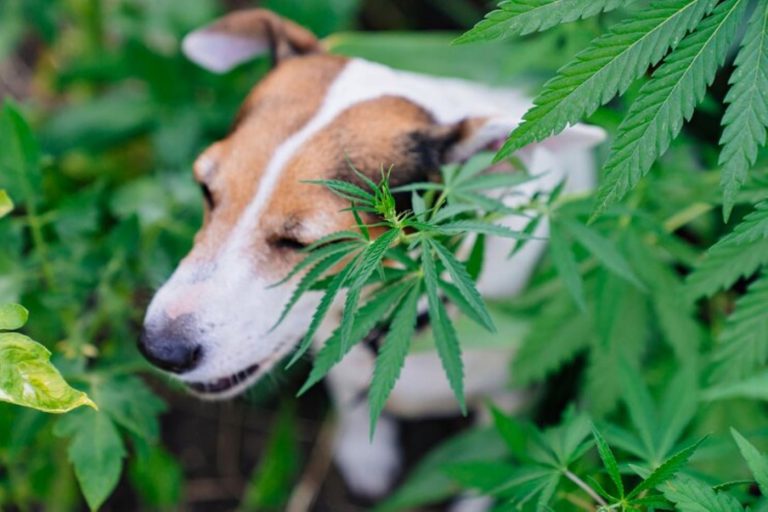
Comment le CBD peut aider un chien anxieux ?
L’anxiété chez les chiens est un problème courant que de nombreux propriétaires d’animaux de compagnie rencontrent. Cette affection peut se manifester de différentes manières, telles que l’agressivité, la peur excessive ou encore les comportements destructeurs. Plusieurs études ont montré que le CBD (cannabidiol), un composé…

Huile de CBD pour animaux VS Huile de CBD classique : Quelle différence ?
L’huile de CBD pour animaux et l’huile de CBD classique sont toutes deux dérivées du cannabis, mais elles sont formulées différemment pour répondre aux besoins spécifiques de leurs consommateurs. Alors que l’huile classique est destinée à l’usage humain, l’huile pour animaux est spécialement conçue pour…

Rôle des Protéines dans l’Amélioration du Sommeil
Permettez-nous de vous guider dans un voyage intéressant : celui de l’exploration du rôle majeur que jouent les protéines dans l’amélioration de la qualité du sommeil. Les protéines, par leur capacité à réguler la sécrétion d’hormones impliquées dans le cycle du sommeil, jouent un rôle…

Le Lien entre Caféine et Insomnie
Vous vous demandez comment la caféine affecte votre sommeil? Notre article va révéler l’impact de cette molécule sur le cycle du sommeil, en commençant par une explication de la nature chimique de la caféine et comment elle agit sur le cerveau. Ensuite, nous examinerons des…

Hydratation et Sommeil: Quelle Corrélation?
Vous êtes vous jamais demandé quel impact a votre hydratation sur la qualité de votre sommeil? Une hydratation adéquate est essentielle, non seulement pour maintenir les fonctions corporelles à leur optimal, mais elle influence également la qualité de notre sommeil. Notre article vous invite à…
Les bienfaits du CBD
Nous vous proposons un tour d’horizon des nombreux bienfaits qui sont associés à l’usage du CBD. Que ce soit pour soulager des douleurs, réduire le stress ou encore améliorer le sommeil, le CBD offre de nombreuses possibilités. Découvrez comment il peut vous aider à améliorer votre qualité de vie.
Comment utiliser le CBD?
L’utilisation du CBD peut varier en fonction de sa forme, de son dosage et de l’éventuelle affection que vous souhaitez traiter. Dans cette rubrique, vous trouverez des informations pratiques pour une utilisation optimale et sûre du CBD.
